
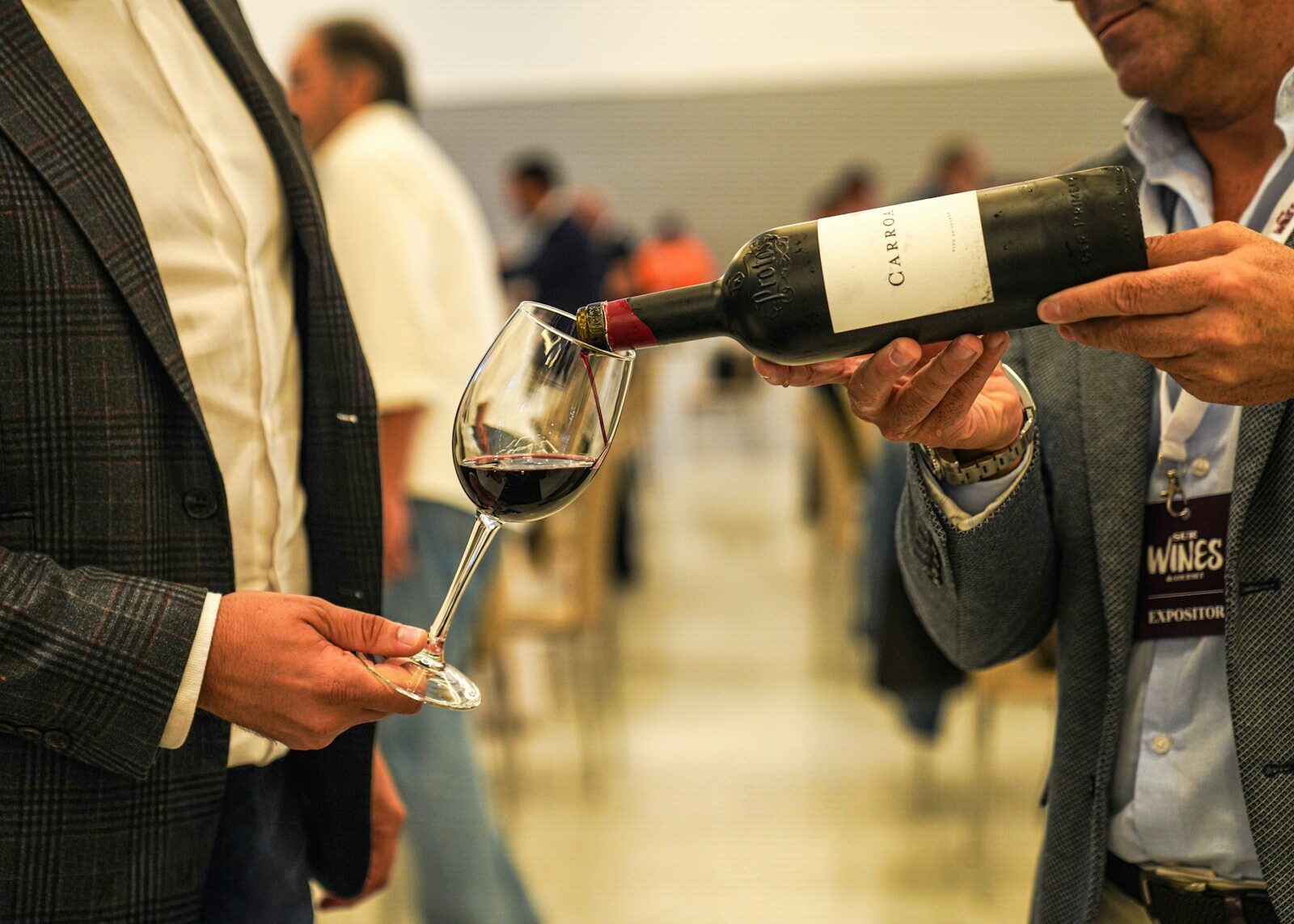
Wine can do more for an event than simply accompany the meal. A well-chosen selection helps set the tone, gives guests something to talk about and makes the occasion feel that little bit more special. Whether you are organising a corporate reception, a wedding breakfast or an intimate private dinner, getting the wine list right involves balancing flavour, practicality and the character of the event itself.
Start With the Occasion
The wine served at a summer garden party does not necessarily need to be the same as the selection for a winter awards dinner. Consider the time of year, the formality of the occasion and whether guests will be standing with canapés or sitting down to a multi-course meal.
For a daytime reception, fresh, crisp white wines and sparkling options are often versatile choices. A formal evening dinner may call for a more structured red alongside a lighter white, with sparkling wine reserved for the welcome drinks or a celebratory toast.
For networking events, choose wines that are approachable and easy to enjoy without requiring too much explanation. A smaller selection of well-chosen bottles is often more effective than an extensive list that slows service or leaves guests unsure what to order.
Pair Wine With the Food
Food and wine pairing need not be complicated. The aim is to find combinations that complement one another rather than compete for attention.
- Canapés and light bites: Sauvignon Blanc, dry rosé or traditional-method sparkling wine can work well with a range of flavours.
- Fish and lighter main courses: Fresh whites, including unoaked Chardonnay, can complement delicate dishes without overwhelming them.
- Roasted meats and richer dishes: Medium-bodied reds, such as Merlot or Rioja, offer plenty of flexibility.
- Cheese boards and desserts: The choice depends on the cheeses and sweetness of the dessert, but a carefully selected dessert wine or port can provide a fitting finish.
Always consider the actual menu, sauces and seasonings before making the final choice. A heavily spiced dish, for example, may need a different style of wine from a simply grilled equivalent.
Look Beyond the Familiar Labels
An event can be an excellent opportunity to introduce guests to something new. Instead of choosing only the most familiar wine regions, consider bottles from Portugal, Austria or Greece, where there are plenty of distinctive styles to explore.
A lesser-known grape variety can also become a conversation starter, particularly if guests are given a little information about what makes it interesting. For a wine-themed reception, you could even offer a short tasting station where attendees can compare two contrasting styles.
That said, there is no need to make the entire selection adventurous. Combining one or two interesting discoveries with familiar favourites gives guests options without making the list feel intimidating.
How Much Wine Should You Order?
Guest numbers, event duration, the availability of other drinks and the style of service all influence quantities. A drinks reception lasting an hour will have different requirements from a wedding breakfast followed by an evening celebration.
As a rough planning guide, a standard 750ml bottle usually provides around five 150ml glasses. This makes it easier to estimate quantities, although actual consumption will vary. Your caterer or venue can help refine the order based on the timings and expected drinking habits of your guests.
It is also important to provide appealing non-alcoholic alternatives, alongside water and other refreshments, so everyone feels included.
Make the Wine Part of the Experience
For a polished event, think about presentation as well as what is inside the bottle. Matching wines to the menu, offering a short description of each selection or choosing a bottle with an interesting story can add a thoughtful finishing touch.
The best wine choices are not necessarily the most expensive. They are the ones that suit the occasion, complement the food and leave guests feeling well looked after. With a little planning, wine becomes part of the event’s identity rather than simply another item on the catering list.
Photo by Fabian García Acevedo.
