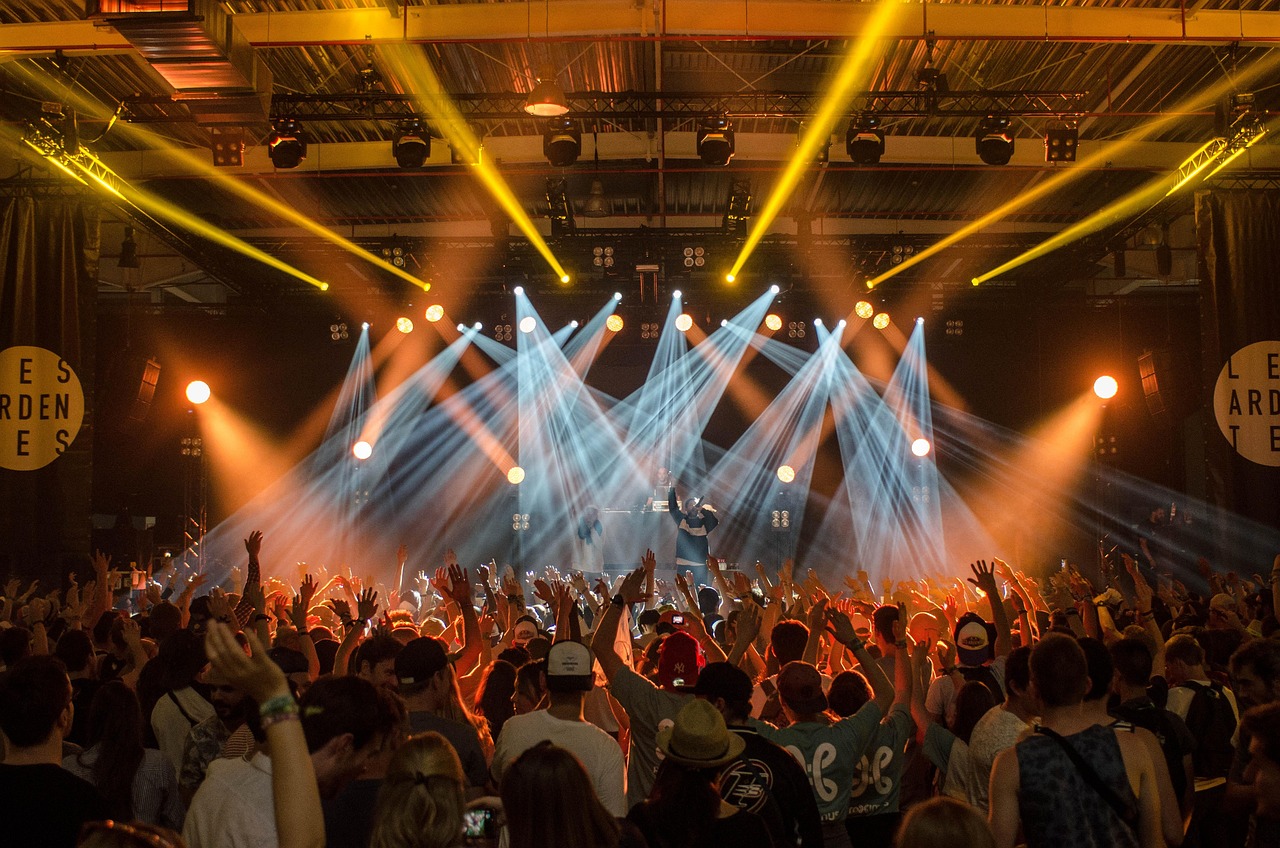
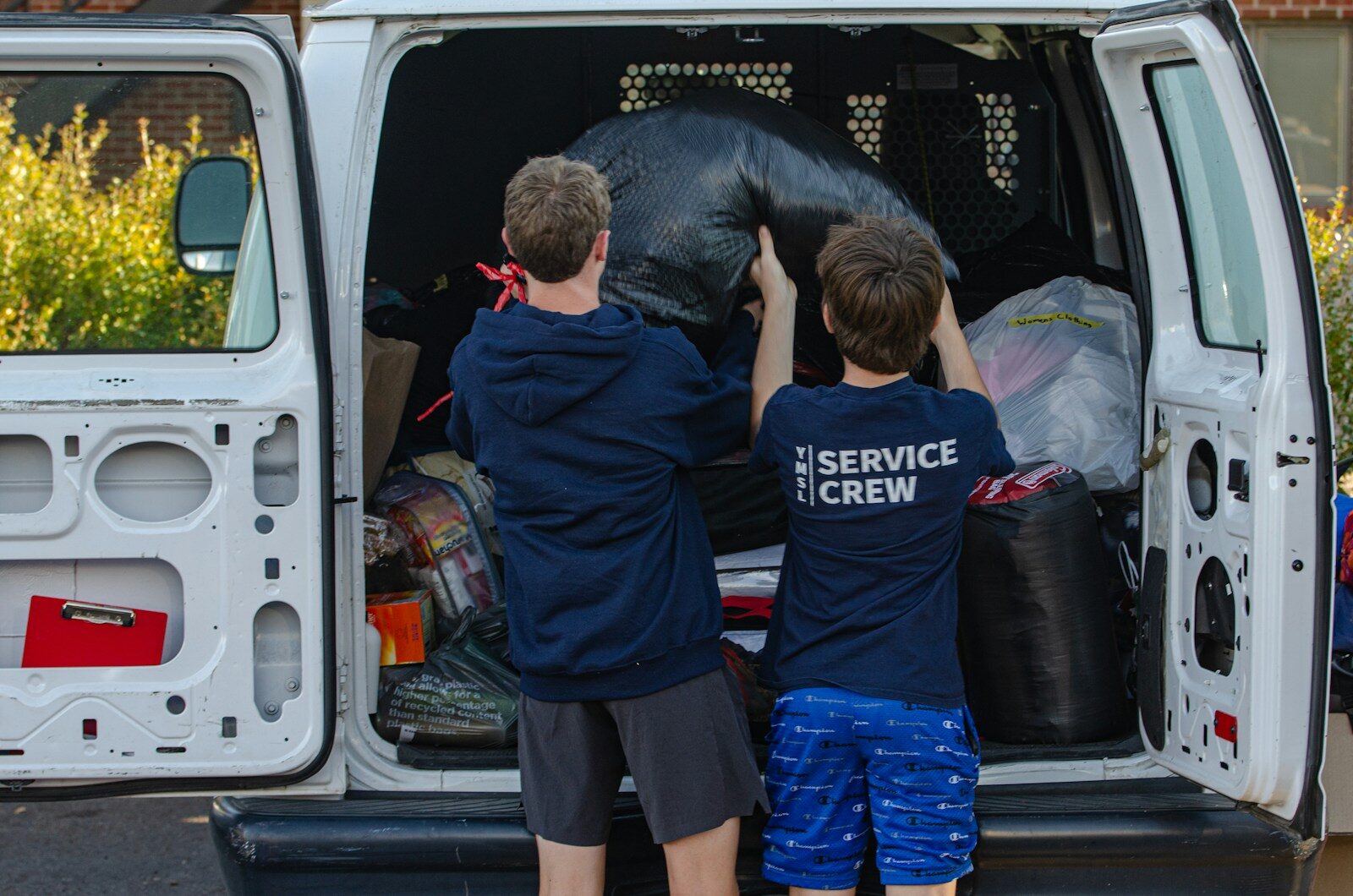
Most people notice the finished event — the stage that’s ready on time, the bar that’s fully stocked, the exhibition stand that appeared overnight. What usually goes unseen is the chain of small, practical decisions behind it. Loading bays, storage areas and delivery vehicles are full of humble kit that gets little attention, yet without it the whole operation would slow to a crawl.
One overlooked example is the use of roll cages. They are not glamorous, which may be the point. In busy events and logistics settings, they help teams move equipment quickly, stack it sensibly and protect it in transit from warehouse to venue and back again. For crews working to a tight get-in time, that can mean fewer awkward lifts and less time wasted shifting loose boxes between trolleys.
Why the unshowy things matter
There is a wider lesson here. We tend to think progress arrives as software, automation or some dramatic new machine. Often, though, improvements come from refining ordinary tasks. Better handling equipment changes how spaces are organised, how safely people work and how stock and kit move through a building.
– Less manual handling of individual items
– Quicker movement through loading bays and stores
– More orderly temporary storage on site
That may sound mundane, but ordinary systems shape every event. If a conference opens on schedule, or a festival bar is restocked before the evening rush, it is usually because practical tools are doing their job in the background. Reliable events logistics depends on sturdy equipment that makes repetitive work easier and faster — long before the first guest arrives.
Photo by Jeromey Balderrama.