
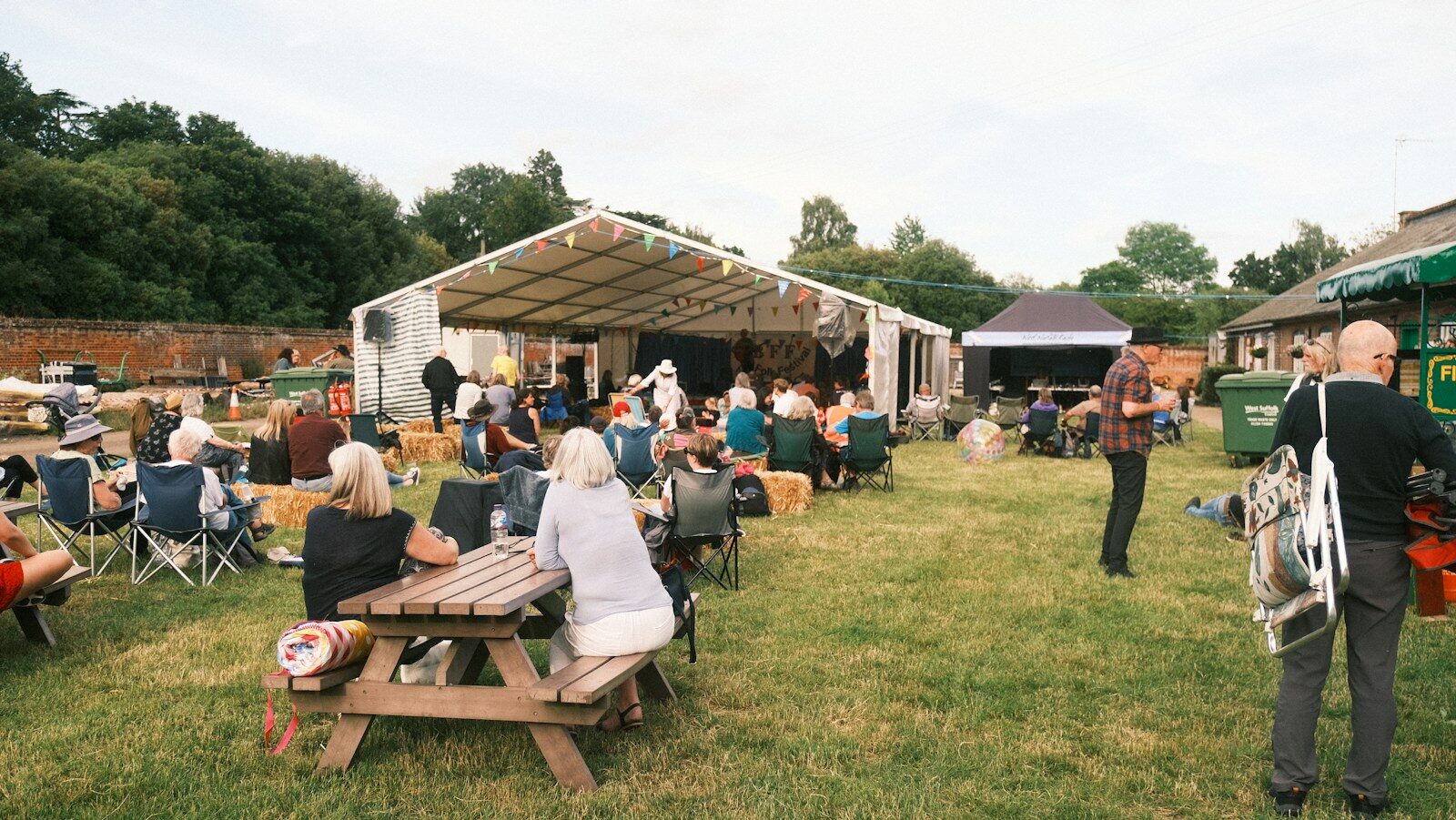
Some local events stick in the mind: the food festival that never felt overcrowded, the outdoor cinema where the queues kept moving, the book fair with enough seating, clear signs and shelter that kept people in good spirits. Most people do not remember the risk assessment or the delivery schedule. They remember the atmosphere. But that atmosphere usually comes from hundreds of decisions made well before the first guest arrives.
That is one reason public life in towns and cities now depends so much on skilled organisers. Councils, charities, cultural venues and business groups are all being asked to put on experiences that feel welcoming, safe and worth leaving the house for. Behind the scenes, events companies often shape the practical details most attendees barely notice: how people move through a space, where bottlenecks could form, what happens if the weather turns, and how access needs are met without fuss.
The invisible work that changes everything
Good event planning is not just about making something look polished. It often comes down to quiet competence in areas such as:
- clear wayfinding and sensible layouts
- contingency plans that do not alarm guests
- timings that respect attention spans
- staffing levels matched to the real shape of the crowd
When these basics are handled well, people are more likely to stay longer, spend money locally and come back next year. That matters to high streets, arts programmes and neighbourhood organisations trying to build momentum.
Maybe that is why the best events can feel almost modest. They do not draw attention to their own complexity. They simply let people enjoy what they came for, whether that is music, ideas, food or company. In an age of constant distraction, that kind of experience is harder to create than it looks, and more valuable than ever.
Photo by Ashley Owen.